
How to Prepare Your Trees for Storm Season
Storm season is coming. Learn how to prepare your trees to minimize damage, protect your property, and avoid costly emergency tree removal.
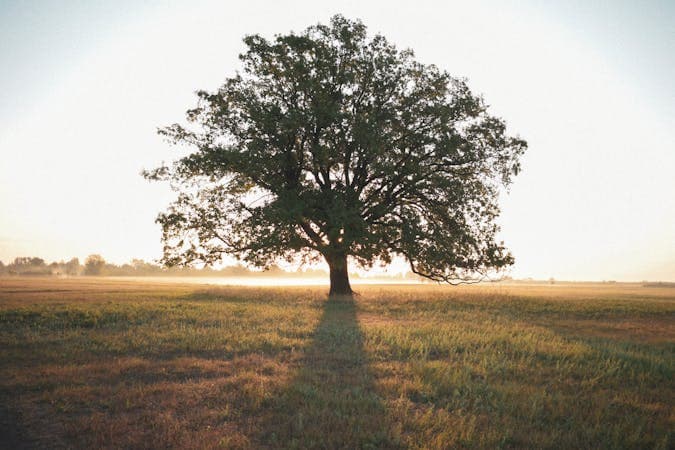
An Ounce of Prevention
Every year, homeowners across the country spend billions of dollars on storm damage repairs, and a significant portion of that damage is caused by trees. Broken branches punch holes in roofs. Fallen trees crush cars and block driveways. Uprooted trees take out fences, power lines, and anything else in their path.
The good news? Much of this damage is preventable. Preparing your trees before storm season can dramatically reduce your risk and save you thousands of dollars in emergency cleanup and repairs.
Have Your Trees Inspected
The single most effective thing you can do is have a certified arborist inspect your trees before storm season arrives. An arborist will identify:
- Dead or weakened branches that could break off in a storm
- Structural defects like co-dominant stems, included bark, or trunk cracks
- Signs of root damage or decay
- Trees that are leaning or have shifted position
- Diseases or pest infestations that have weakened the tree
Catching these issues early gives you time to address them before the next storm makes them your emergency.
Prune Dead and Weak Branches
Dead branches are the most common source of storm damage from trees. They are brittle, have weak attachment points, and will break off in even moderate winds. Removing them before a storm eliminates that risk entirely.
Your arborist should also look for live branches that have weak attachments, narrow crotch angles, or excessive weight at the tips. Strategic pruning can reduce wind resistance and help your trees weather the storm.
Thin the Canopy
A dense canopy acts like a sail in high winds. Crown thinning — selectively removing branches to open up the canopy — allows wind to pass through instead of catching against the tree. This reduces the mechanical stress on the trunk and roots and makes the tree less likely to topple over.
Important: thinning should be done by a professional. Removing too much canopy can stress the tree and actually make it weaker.
Address Hazard Trees Before Storm Season
If your arborist identifies a tree that poses a significant risk — severe decay, compromised roots, dangerous lean — the safest course of action is often removal. Removing a hazard tree on your schedule is far less expensive and disruptive than dealing with it after it falls during a storm.
Check Your Insurance
Review your homeowner's insurance policy to understand what tree damage is covered and what is not. Most policies cover damage from fallen trees when they hit insured structures, but coverage for trees that fall in the yard without hitting anything can be limited. Knowing this ahead of time helps you make informed decisions about which trees to address proactively.
Start Preparing Now
Do not wait until storm season is here. Call Tree Climber Unlimited at (209) 660-3450 for a free storm preparedness assessment. We will inspect your trees, identify risks, and help you create a plan to protect your property.